Top

Author Archive |

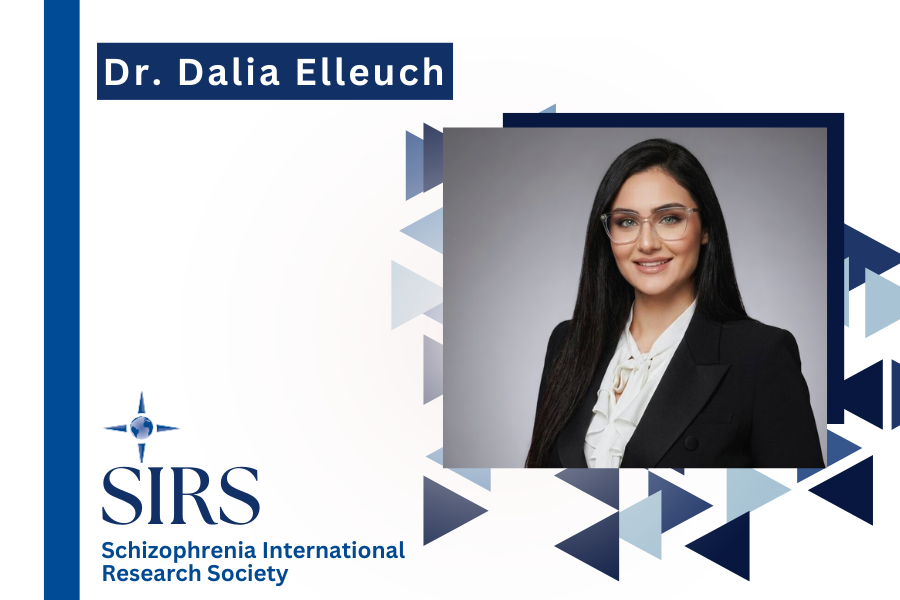
Dr. Dalia Elleuch, Higher School of Health Sciences and Techniques of Sfax

Finding Meaning in Words

When I first encountered a patient struggling to express their thoughts during my undergraduate studies, I witnessed something profound: the disconnect between what the mind wants to say and what words actually emerge. That moment changed everything for me. It wasn’t just about understanding schizophrenia as a mental illness; it was about recognizing that language itself could be a window into the human brain and its struggles.

As someone trained in both linguistics and neuroscience, I’ve always been fascinated by how we communicate. But schizophrenia presented a unique puzzle: people with this condition often face challenges not because they lack things to say, but because the bridge between thought and speech becomes unstable. This realization led me to ask: What if we could better understand schizophrenia by studying how people use language? One of the most important questions in this field is: How can we detect psychosis before it fully develops? Early intervention can dramatically improve outcomes, but we need reliable, accessible tools. Language analysis offers something unique; it’s non-invasive, can be captured through simple conversations, and reflects what’s happening in the brain in real-time. Imagine a future where a brief conversation could alert healthcare providers to early warning signs, allowing intervention before symptoms become severe.

Winning the 2024 SIRS Early Career Award and presenting at the Congress in Florence was a turning point in my career. SIRS isn’t just a research society; it’s a global family of scientists, clinicians, and advocates united by a common mission to improve lives. The connections I made, the feedback I received, and the exposure to cutting-edge research across disciplines reshaped how I think about my work. It validated that studying language in psychosis isn’t a niche pursuit; it’s central to understanding and treating the condition.

Looking ahead, I’m excited about integrating artificial intelligence into clinical settings. My current projects include developing AI-powered apps for diagnosing and supporting individuals with anxiety, depression, and aphasia. I’m also working on creating linguistic assessment tools specifically designed for English, French, and Arabic-speaking populations with aphasia and schizophrenia communities that have been underserved in research. Language barriers shouldn’t mean diagnostic barriers.

When I imagine a young person developing psychosis twenty years from now, I envision a world where they receive immediate, personalized support. Perhaps their smartphone detects subtle changes in their speech patterns and gently suggests they talk to a counselor. Perhaps their clinician uses an AI-assisted tool that analyzes their language to tailor treatment specifically to their needs. Most importantly, I hope they live in a world where mental illness carries no stigma, where seeking help is as normal as treating any other health condition. What excites me most about psychosis research today is the convergence of disciplines. Neuroscientists, linguists, computer scientists, and clinicians are working together in unprecedented ways. Organizations like SIRS make this collaboration possible by bringing diverse minds together, fostering innovation, and ensuring that research translates into real-world impact.

To families and individuals affected by schizophrenia: your experiences matter to researchers like me. Every conversation, every story shared, contributes to our understanding. The future of psychosis treatment is bright because we’re learning to listen not just to symptoms, but to the unique language of the human mind.


Dr. Dalia Elleuch is an Assistant Professor and Clinical Neurolinguist at the Higher School of Health Sciences and Techniques of Sfax, Tunisia, and the 2024 SIRS Early Career Award Winner. Her research focuses on the intersection of neuroscience, linguistics, and mental health.

Yanhui Li: Investigating Immune Links in Schizophrenia

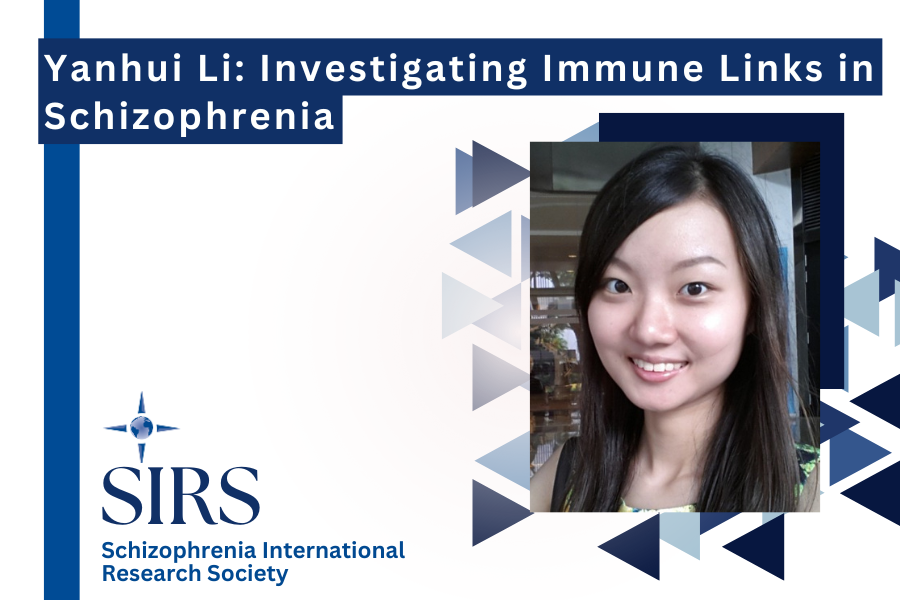
Yanhui Li, B.Sc., M.D.
Psychiatry Resident
Institute of Mental Health, Singapore

I am a Psychiatry resident at the Institute of Mental Health in Singapore and my work focuses on investigating immunological changes in schizophrenia and treatment resistance. We have recently performed one of the most ambitious and comprehensive immunophenotyping study on schizophrenia patients and healthy individuals, and identified immune cells significantly different between them. We specifically identified an immune cell ratio (the CD4/CD8 T cell ratio) as a potential biomarker for schizophrenia and treatment resistance. One of the most significantly altered populations included a special subpopulation of immune T cells found in the gut known as Mucosal-associated Invariant T (MAIT) cells. This is an exciting finding as MAIT cells are implicated in the gut-brain axis and autoimmunity, processes hypothesized to contribute to the pathophysiology of schizophrenia.

The immune hypothesis proposes that aberrant immunological mechanisms underlie the pathophysiology of schizophrenia. It has been controversial but has been one of the longest-standing ideas behind the etiology of schizophrenia, if we consider it to encompass infectious hypotheses since the early 1800s with the rise of bacteriology. Such ideas were further piqued with observations of “General Paresis of the insane” in neurosyphilis, and with the emergence of psychotic symptoms in encephalitis lethargica noted after the Great Influenza Epidemic in 1918. Today, there is growing evidence of immune involvement with genetic, proteomic, cellular studies, and even with neuroimaging and clinical trials with anti-inflammatory medications. The recent discovery of NMDA encephalitis in 2007 triggered a sharp spike in interest in the immune hypothesis of schizophrenia. Researchers began to question if a portion of schizophrenia patients may have subthreshold autoimmune processes driving psychiatric symptoms. Other mechanisms involving T cells and microglia (“cleaner” cells in the brain) have also been proposed.

Although the exact mechanisms of immune involvement in schizophrenia remain unclear, evidence strongly suggests immunological changes in a subset of patients, who also appear to benefit from anti-inflammatory agents. If we could identify this group and intervene with anti-inflammatory agents or target immunological processes, this may prove to be a new treatment modality or augment current available treatments. Up to a third of schizophrenia patients do not respond well to available antipsychotics and are prescribed clozapine, the gold standard medication in treatment-resistant schizophrenia. Among this group, there is a sizable number of ultra-treatment-resistant patients who are refractory to clozapine as well. Some patients are also refractory even with neurostimulation involving electroconvulsive therapy. Hence, a novel treatment modality is always welcome in broadening choices of available therapeutic options. Our study supports immune changes in schizophrenia, and we push the immune hypothesis further by showing apparent proportionate changes in immune cells with increasing treatment resistance. This adds to further evidence supporting immune involvement and the exploration of immune-targeted therapies moving forward.

I presented findings from our immunotyping study at the 2024 SIRS Annual Congress in Florence, Italy, and was fortunate enough to receive the Early Career Academic Excellence Award. This award comprised a mentoring component, and afforded me the opportunity to meet Dr Neeltje van Haren from Erasmus MC-Sophia Children’s Hospital. It was a pleasure to meet Dr Neeltje and her postdoc Lisanne, and I learnt much about their work in neuroimaging and the maternal-fetal interface. I appreciated the special reception for early career awardees as well, as it allowed me to meet peers from all over the world equally passionate about schizophrenia research in their individual domains. As what Dr Iris Sommer alluded to in her recent pre-election manifesto, I think SIRS is valuable in promoting the sense of community and inspiration among colleagues worldwide, as we work toward alleviating a common affliction of humankind, beyond the factual sharing and dissemination of scientific knowledge. This platform, beyond sparking scientific collaborations, appeals to the basic human need for community and support, and what better way to do this than on an international scale? With ongoing efforts at increasing diversity and representation of participants from all parts of the world, SIRS is well on its mission to becoming a worldwide organization aggregating clinicians and researchers working on schizophrenia-spectrum disorders. I highly recommend anyone working in schizophrenia-related research to attend a SIRS Congress, to see for yourself the superior quality of research and strong sense of community not frequently found in other conferences. I aspire to a career as a clinician-scientist after completing residency training, and I hope to remain actively involved in SIRS as long as I continue working with patients affected by the illness, and as long as I continue my work in this area.

Marieke Van der Pluijm, University of Amsterdam

Marieke Van der Pluijm image

Treatment resistance in schizophrenia is a major clinical problem with one third of schizophrenia patients showing non-response to standard antipsychotic treatment. The delay in identifying these patients leads to prolonged ineffective treatment, longer hospitalization, unnecessary side effects and lower quality of life for those individuals. There is an urgent need for (bio)markers that can identify treatment-resistant patients early on, enabling timely intervention and improving prognosis.

During my PhD I have developed a keen interest in the neurobiology of psychosis and its relation to treatment response in first episode psychosis. Elucidating the underlying neurobiology of treatment resistance in psychosis could aid in better treatment selection and result in markers for earlier identification of these patients. The core focus of my PhD was the development and application of the novel neuromelanin-sensitive MRI (NM-MRI) technique as a potential clinical marker for treatment resistance. Additionally, I explored alternative markers, including plasma dopa decarboxylase activity as a blood marker and alterations in neurotransmitters, including glutamate and gamma-aminobutyric acid (GABA) levels. These markers hold significance for guiding treatment decisions, particularly in considering clozapine, the antipsychotic recognized for its superior effectiveness in treatment resistant schizophrenia.

At the SIRS 2022 conference, I had the honor to receive an early career award and to present the most notable finding from my PhD including a NM-MRI study in first episode psychosis patients. NM-MRI is a novel non-invasive MRI technique that indirectly measures dopamine functioning. In psychosis research, a common method for evaluating dopamine functioning is [18F]F-DOPA PET imaging, which has consistently shown increased activity in specific brain areas. Interestingly, treatment resistant patients do not show this increased dopamine functioning and show levels comparable to healthy individuals. Unfortunately, [18F]FDOPA PET imaging is expensive and relatively burdensome for patients, since it uses radioactivity and is administered intravenously, making it impractical for widespread use in screening for treatment resistance. NM-MRI as a proxy of dopamine functioning presents a promising alternative due to its non-invasive nature. NM-MRI shows increased signal in schizophrenia patients compared to healthy individuals, but had not yet been tested in treatment resistant schizophrenia. We aimed to determine whether treatment resistant patients show lower NM-MRI signal compared to patients who responded to antipsychotic medication. To accomplish this, we conducted a study in first episode psychosis patients, with a baseline and 6 month follow up measurement. In line with our hypothesis, treatment resistant patients showed significantly lower NM-MRI signal compared to responders, and similar NM-MRI signal compared to healthy individuals. Furthermore, NM-MRI appeared to be relatively robust as NM-MRI signal remained stable over six months follow-up and was not associated with illness duration, medication duration or dosage. These findings provide further evidence for dopaminergic differences between treatment resistant patients and responders, and support the potential of NM-MRI as a clinically applicable marker for treatment resistance in schizophrenia. This study has recently been published in the American Journal of Psychiatry and can be accessed online.

Following our findings that treatment resistant schizophrenia may be associated with a normal dopamine rather than an increased dopamine system, we redirected our attention to another neurotransmitter system: glutamate and GABA. These neurotransmitters are believed to play a role in treatment resistant schizophrenia. As a result, we aimed to further elucidate the roles of glutamate and GABA in the anterior cingulate cortex in first episode treatment resistant schizophrenia. I will present the results of this study as a poster at SIRS 2024 on Thursday.

Currently, I am a post-doctoral researcher at the Department of Psychiatry, Amsterdam UMC in the Netherlands. In this role I contribute to various projects, encompassing both neuroimaging and clinical studies in psychosis. Moving forward, I plan to expand my research endeavors while continuing to lend my expertise to other projects. Over the coming years, my goal is to deepen my understanding and experience in the field of psychosis. Eventually I want to use my accumulated expertise to pursue grants and establish my own research program dedicated to improving diagnostics and treatment for early psychosis.

Jakob Kaminski, Charité University Medical Center Berlin

Jakob Kaminski Image

My first contact with brain research was already in school in biology classes. The complex biology of the brain functioning was fascinating to me because of it’s many mysteries. When deciding what to study I always wanted to do research but also wanted to work on something that is directly related to people’s lives. The challenges in medicine seemed to fit these requirements. During my first internships I was intrigued by psychiatry and schizophrenia research. There were so many open questions and riddles to solve. So I started to do brain research at the Max-Planck Institute for Cognitive and Brain Sciences in Leipzig and then started my clinical career at Charité Berlin focusing on brain research in Schizophrenia. During my clinical routine I was fascinated by the extraordinary powers and abilities patients have. Although behavior sometimes is described as "non-functional" there is an enormous creativity and resilience in people with mental disorders. The multifactorial origins of those disorders have long puzzled researchers and clinicians alike. It’s multifaceted nature presents a significant challenge, but also an opportunity for innovation and discovery.

When I started my career, I embarked on a journey to unravel the intricacies of schizophrenia. I started with cutting-edge imaging technology and the goal for better understanding the human brain during crisisNeuroimaging techniques have revolutionized our ability to explore the complexities of the brain. Magnetic Resonance Imaging (MRI), Positron Emission Tomography (PET), and Functional MRI (fMRI) allow us to visualize the structure, function, and connectivity of neural circuits with unprecedented detail. These tools offer invaluable insights into the pathophysiology. I focused on alterations in glutamatergic and dopaminergic brain functioning, however, I was not completely satisfied and felt that despite decades of research, the underlying neurobiological mechanisms remain elusive, making diagnosis and treatment such a challenging task. I then delve more into the complex interaction of environmental factors and psychotic experiences. And landed in digital health to support patients in outpatient setting with innovative and effective tools. In addition to advancing our understanding of schizophrenia, technology has also revolutionized the way we support and empower patients. Digital tools and mobile applications have emerged as valuable adjuncts to traditional therapeutic approaches. These tools offer a wide range of functionalities, including symptom tracking, medication management, activation of resources and psychoeducation. One of the most significant advantages of digital tools is their ability to tailor interventions to the individual needs of patients. While the integration of digital tools into schizophrenia care holds immense promise, it is not without its challenges. Issues such as data privacy, accessibility, and the digital divide must be carefully addressed to ensure equitable access to these resources. Additionally, ongoing research is needed to validate the efficacy of these interventions and optimize their usability in clinical settings. In conclusion, the intersection of neuroimaging research and digital technology offers unprecedented opportunities to advance our understanding of schizophrenia and transform patient care. By embracing innovation and collaboration, we can navigate the challenges ahead and continue to support and empower patients during their recovery. While working in the field of schizophrenia research fostering interdisciplinary collaboration is what I enjoyed the most. 

Katherine Grace Jonas, Stony Brook University

Katherine Grace Jonas

I began studying genetics in my first year at Harvard, somewhat by accident. I had applied to be part of a seminar entitled “Chess and Mathematics,” but that course was filled, and I was bumped into “Darwin’s Finches”. I was disappointed, but not for long. I began to spend time in the archives of the Museum of Natural History, measuring the beaks of finches collected nearly 200 years ago, each with a tag tied to its leg with minute handwriting denoting the bird’s scientific name. Holding the birds that inspired the theory of evolution was the start of my fascination with genetics and classification. The next semester I moved to a synthetic biology wet lab, and after that to a drosophila lab at the Fred Hutchinson Cancer Research Center. At the same time, I was developing an interest in psychiatry and clinical psychology. My grandfather, who I idolized, was a psychiatrist. His son, who I never met, was diagnosed with schizophrenia. The family was unusually tight-knit, so my uncle’s absence was conspicuous, and highlighted how profoundly schizophrenia had impacted my father’s family of origin.  

I pursued a doctorate in clinical psychology at the University of Iowa because it presented the opportunity to pursue genomics research and clinical training in psychopathology. At both Iowa and the Minneapolis Veterans Affairs Medical Center, I was able to spend time with individuals who had experienced psychosis, working on inpatient, partial hospitalization, and outpatient treatment settings. When a postdoctoral opportunity arose on the Suffolk County Project, led by Drs. Roman Kotov and Evelyn Bromet and currently the longest-running study of first-admission psychosis in the world, I was thrilled to merge my research and clinical interests. My work with the project has focused on understanding how genetic risk factors manifest longitudinally over the 35 years the study has been running. We have shown that genetic risk can indicate who is more likely to experience a more severe course of negative symptoms. With the leaders of other first-episode studies, we are developing a consortium of longitudinal studies that can definitively evaluate how genetic risk impacts the course of symptoms, cognition, function, and response to treatment in psychotic disorders. 

In the past two years, I have developed an arm of research that aims to leverage what we know about the structure of psychosis to improve the power and precision of psychosis GWAS. Preliminary results from these analyses have confirmed the genetic structure of psychotic symptoms, mania, and depressive symptoms mirrors phenotypic structure, such that each genetic factor is relatively independent of the other. The support of the SIRS Early Career Award allowed me to present this work at the society’s 2022 meeting. A related line of research takes a broader approach, and tests whether transdiagnostic phenotypes of internalizing, externalizing, and psychosis, can identify more genetic risk factors than case-control GWAS. My hope is that this line of research will provide a clearer picture of psychotic disorders and the genetic risk factors associated with them, to facilitate the development of better diagnostic tools and treatments. 

Leandro Valiengo, University of Sao Paulo

Leandro Valiengo, University of Sao Paulo

We are excited to share that the SIRS 2020 Research Fund Awardee, Leandro Valiengo, has agreed to a SIRS Q&A. View our questions and his answers below!

What were you able to achieve with the SIRS Research Fund Award? 

The negative symptoms of schizophrenia are very hard to treat and very disabling. If photobiomodulation is demonstrated to be effective in future clinical trials, then it may help patients and their families to cope with the disease and improve their life quality.

How has your work shaped today's ongoing research?  

Today we are focusing on expanding the results of this pilot assessment by developing new clinical trials with new variables and more patients..

How has your work made an impact on patient's lives? 

The negative symptoms of schizophrenia are very hard to treat and very disabling. Giving them an option of treatment with favorable results, helps them and their families to cope with the disease and improves their life quality.

What is your ultimate goal in research? 

Now I want to explore the benefits of this technique (and maybe other types of noninvasive neuromodulation) in other symptoms of schizophrenia. My main objective is to improve the quality of life of patients with schizophrenia (and other severe mental disorders) through new treatments that have fewer side effects. I also intend to keep mentoring graduation and post-graduation students to initiate or expand their research skills.

What made you decide to pursue research into psychosis/schizophrenia? 

Treatment resistance in Schizophrenia is very common. This condition inputs a high rate of disability, and the negative symptoms are challenging to treat and limit the quality of life of the patients. So, the search for new treatments in this area, especially concerning the negative symptoms of the disorder, was imperative.

What made you pursue these specific research methods (i.e. genetics, neuroimaging, postmortem, etc.)?

I used brain photobiomodulation because there were other studies using this technique for Alzheimer's disease with promising results. My hypothesis was that if we used the same technique to stimulate the prefrontal cortex, known to be dysregulated in the negative symptoms of schizophrenia, the patients would have an improvement in symptom control.

 What researcher/scientist (doesn't have to be a SIRS member) has influenced your work the most and how?  

My mentor is Prof. Andre Brunoni, from the University of Sao Paulo, Brazil, who studies the use of neuromodulation techniques for humor disorders. He has a brief but extremely productive research career, with some impressive results, and has already published in highly prestigious periods, like NEJM and Lancet.


The Research Fund Award program is intended to provide research funds for junior investigators who have an important idea or hypothesis to test, but are lacking in research funds to do so. You can find out more by clicking here.

Parsa Ravanfar, University of Melbourne

Parsa Ravanfar, University of Melbourne

I am a medical graduate and PhD candidate in neuropsychiatry, aiming to pursue a career in clinical psychiatry and neuroscience. During my clinical training, I learned about the large impact of schizophrenia on the individual and community, which attracted me to the research of schizophrenia. I am impressed by the complex phenomenology of psychosis and how little we still know about it. In my research, I am particularly passionate about the biological underpinnings of psychiatric illnesses, including schizophrenia. I believe that by understanding the cellular- and network-level brain mechanisms that are associated with schizophrenia, we will be able to develop more effective treatment modalities to fill the gaps in our current therapeutic options. Advanced neuroimaging modalities allow us to study the brain in individuals with schizophrenia in real time, providing a unique opportunity to understand the brain as it functions. My PhD research focuses specifically on imaging of iron content in the brain in schizophrenia. Iron is closely linked to dopaminergic neurotransmission, one of the main neurotransmitter systems implicated in schizophrenia. At SIRS 2022, I presented the findings of our group that describes higher content of iron in specific brain regions accompanied by network wide alterations of iron distribution in people with schizophrenia. Excess iron leads to neural damage by generating oxidative stress. Therefore, it is possible that this iron accumulation could be associated with the structural brain changes and cognitive decline that are observed in individuals with schizophrenia. By attending SIRS 2022, I was able to present my study to research groups from around the world and learn about their scientific discoveries relevant to my work. This helped me reshape my research ideas and deepen my understanding of several pathologic cellular processes other than oxidative stress that are associated with iron burden. I met leaders in the field with whom I am hoping to collaborate to uncover more of the unknowns about biological processes in schizophrenia.

As my future direction, I am aiming to continue using advanced neuroimaging tools to understand brain changes in psychiatric illnesses with a primary focus on schizophrenia. Pending further studies and expanding our knowledge about oxidative stress and iron in schizophrenia, we can think about new therapeutic options to mitigate oxidative stress or reduce iron content in the brain, which could potentially alleviate the brain changes and symptoms of schizophrenia.

The Early Career Award program is intended to sponsor individuals who have, through their research, teaching or clinical activities, demonstrated a professional and scientific interest in the field of schizophrenia research. You can find out more by clicking here.

Cecilie K. Lemvigh, Copenhagen University Hospital

Cecilie K. Lemvigh, Copenhagen University Hospital

My interest in schizophrenia began already as a young university student and was motivated by a growing curiosity of how the human mind works. I am particularly interested in the developmental perspective on cognitive and brain maturation to examine trajectories leading to psychopathology. Currently, a precise understanding of the abnormal processes resulting in psychosis is lacking. I strongly believe that a better understanding of complex developmental trajectories may help progress the field in terms of more effective prevention programs, improved diagnosis, and individualised treatment strategies.

My presentation at the 2022 SIRS Annual Congress focused on this issue by examining how the combination of multiple early risk factors such as parental history of psychosis, low birth weight, premature birth, winter/spring birth, urbanicity, immigration status, paternal age, maternal smoking during pregnancy, and Apgar scores influence the age of illness onset in children, adolescents, and adults with psychosis. We conducted a nationwide register study of all individuals in Denmark receiving a schizophrenia spectrum diagnosis from 1973-2018 (N≈30.000) and a healthy control sample (N≈140.000). Here we found that parental history of psychosis, advanced paternal age, maternal smoking and low birth weight independently increased the risk of a schizophrenia spectrum disorder. Subgroup analyses based on sex revealed that advanced paternal age only increased the risk in females. Approximately 20% of the patients could be characterized as child-onset cases (<18 years) with female sex and parental history of psychosis as significant predictors of having an early onset. We also observed a cumulative effect of the early risk factors on age of illness onset with more risk exposures resulting in an earlier age of onset. These findings provide a basis for future treatment strategies in terms of individual risk stratification and early intervention, which from a health policy perspective is necessary in order to prevent, delay or attenuate the impact of schizophrenia spectrum disorders.

In ongoing studies, we relate the register data to our clinical cohorts and explore how these early risk factors influence cognitive performance at the time of illness onset. A better understanding of how multiple early risk factors acting in combination influence neurodevelopment may shed light on the mechanism underlying cognitive deficits in schizophrenia.

The inclusion of register data limits the effect of recall bias when examining exposures occurring many years prior to illness onset. The combination of clinical and register data is highly unique worldwide and will hopefully contribute with valuable knowledge to the field of psychosis.

Participating in SIRS 2022 and receiving the honour of an early career award was highly beneficial to further broaden my current knowledge and expertise, expand my international network, exchanging ideas and establishing new collaborations.

Finally, although we already know a lot about the development of the brain, we still have a lot to learn regarding the abnormal processes leading to cognitive impairments and emerging psychopathology. Much more research is needed to develop more effective treatments and improve the life of our patients. In this regard, I would like to express my deepest gratitude and appreciation towards all the patients in our studies for putting research before their own suffering, sharing a piece of their story and enduring long hours of psychiatric evaluation and neuropsychological testing.

The Early Career Award program is intended to sponsor individuals who have, through their research, teaching or clinical activities, demonstrated a professional and scientific interest in the field of schizophrenia research. You can find out more by clicking here.

Maria Fransisca Alonso Sanchez, Western University

Maria Fransisca Alonso Sanchez, Western University

One of the factors that has inspired me to work in psychosis and schizophrenia research is the challenge to improve the functional impairment of persons with schizophrenia and the current therapeutic approaches available. As a speech and language pathologist (SLP) I have a particular interest in the functionality, quality of life, and social inclusion of people, and as a researcher, I know that we must put efforts into generating evidence-based therapeutic mechanisms that help us to address these issues.  

In this context, my work so far has focused on finding meaningful patterns in the speech of people with schizophrenia and how the words they use relate to each other. Specifically, we observed that people within their first episode of psychosis used more words that are synonyms or are very similar to each other throughout their discourse, i.e., they had more inefficient discourse. This is a fundamental feature at the level of communication, but we went further and wanted to understand how these patterns relate to other cognitive domains, in particular interference control. Interference control is a cognitive function that allows us to select relevant information from irrelevant information for a particular context. Indeed, we observed that aberrant word selection is correlated with interference control. We then conducted a 6-month follow-up in a section of our sample and observed that neither speech inefficiency nor negative symptoms improved with pharmacological treatment. Finally, with an emphasis on unraveling how these patterns are associated with certain brain areas of the language network, we performed an analysis of resting-state effective connectivity with functional MRI in people with first episode of schizophrenia. We observed that there are two areas of great interest that are modulated by ineffective speech, i.e., these areas could be involved in this phenomenon and therefore could be possible targets for stimulation or treatment. These topics have been a priority for me as they have potential use in the implementation of language intervention programs in combination with brain neuromodulation for people with schizophrenia. There is still a lot of work to be done to understand the relationship between language and the brain language network.  

I believe it will be a significant and rewarding challenge for future researchers from translational cognitive neuroscience to incorporate this new knowledge and improve quality of life for people experiencing schizophrenia. This new knowledge can also be utilized to generate evidence-based intervention programs that are effective and efficient. Finally, I would like to remark that as an SLP we have another challenge, which is to be part of the mental health team to implement these interventions. However, this is not automatic and we need more people who specialize in the area because working with people with aphasia or dementia is not the same as working with persons with schizophrenia. I firmly believe that if we work on evidence-based programs and specialization in mental health, SLPs can provide a great contribution to the intervention and treatment process for people with schizophrenia.  

The Early Career Award program is intended to sponsor individuals who have, through their research, teaching or clinical activities, demonstrated a professional and scientific interest in the field of schizophrenia research. You can find out more by clicking here.

Wordpress Social Share Plugin powered by Ultimatelysocial