Dr. John M. Kane & Dr. Merete Nordentoft Named the 2026 Lifetime Achievement Awardees
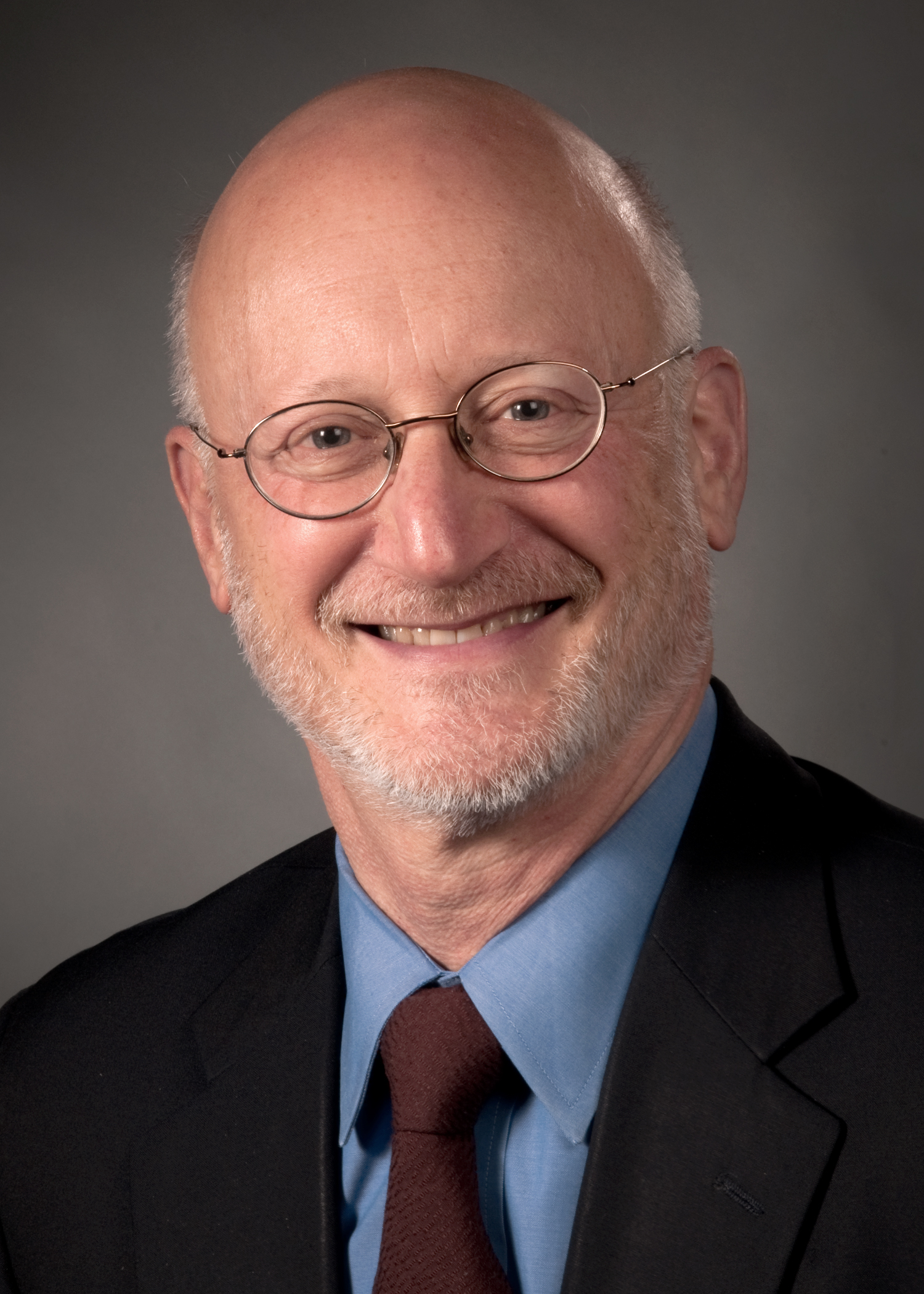
Professor John M. Kane
The Zucker Hillside Hospital
The Donald and Barbara Zucker School of Medicine at Hofstra/Northwell
Feinstein Institutes for Medical Research
John M. Kane, MD served as chair of psychiatry for 34 years at the Zucker Hillside Hospital and is currently the Co-Director of the Institute of Behavioral Research at the Feinstein Institutes for Medical Research. He also served as the inaugural chair of Psychiatry at the Donald and Barbara Zucker School of Medicine at Hofstra/Northwell for 12 years.
He is the recipient of many awards, including the Lieber Prize, the APA’s Kempf Award and Foundations Prize, the New York State Office of Mental Health Lifetime Achievement Award, The Dean Award from the American College of Psychiatrists, and the ASCP’s Donald Klein Lifetime Achievement Award. He has served as President of the American Society of Clinical Psychopharmacology, the Psychiatry Research Society and the Schizophrenia International Research Society.
Dr. Kane has been the principal investigator on 24 U.S. National Institutes of Health grants focusing on schizophrenia, psychobiology and treatment, recovery, and improving the quality and cost of care. He is the author of over 950 peer-reviewed papers and serves on the editorial boards of numerous journals.
Dr. Davis, in 1973, moved to the Illinois State Psychiatric Institute affiliated with the University of Chicago. Davis, with Tamminga and Smith, showed that a small dose of apomorphine (a dopamine partial agonist) reduced the intensity of schizophrenic symptoms. There are now several dopamine partial agonists on the market. Davis, working with Fischman and Schuster, found that after iv or im administration, cocaine plasma levels generally paralleled the subjective effect, but the subjective effects of cocaine decreased more rapidly than did the plasma level. When an additional administration of cocaine was given an hour later, it produced little physiological response suggesting there was a rapid development of tolerance.
Dr. Davis, in 1986 moved to the University of IL at Chicago. Drs. Costa, Guidotti, Grayson and Davis found increased levels of DNA methyltransferase (DNMT) in the same postmortem brains with decreased reelin/GAD67 in comparison to normal controls, suggesting that increased methylation silenced the reelin and GAD67 gene. They suggested that low levels of reelin and GAD67mRNA and protein expression may play a role in the pathophysiology of schizophrenia. This was one of the first epigenetic studies in psychiatry.
Dr. Kane has been the principal investigator on 24 U.S. National Institutes of Health grants focusing on schizophrenia, psychobiology and treatment, recovery, and improving the quality and cost of care. He is the author of over 950 peer-reviewed papers and serves on the editorial boards of numerous journals.
A Statement from Professor John M. Kane
I am very honored to receive this award. It is extremely gratifying to garner this level of peer recognition for work that has been inspired by patients and families, facilitated by mentors, colleagues and mentees, and always a personal privilege.

Merete Nordentoft, MD, DMSc, PhD
Professor of Psychiatry, University of Copenhagen
Director of Research, CORE Copenhagen Research Centre for Mental Health
Merete Nordentoft, Professor of Psychiatry at the University of Copenhagen and Director of Research at CORE, has significantly influenced mental health care. She pioneered the OPUS program in 1998, an early intervention service for first-episode psychosis that has become standard practice, reducing hospitalizations and improving outcomes. Her research has shaped Denmark's National Plan for Suicide Prevention, leading to the establishment of regional suicide prevention clinics with national coverage.
Nordentoft’s studies have highlighted the heightened risks faced by children of parents with severe mental illness, advancing awareness and targeted support for this vulnerable group. As President of the Danish Psychiatric Society (2021–2025), she has been a strong advocate for enhanced psychiatric funding, particularly through Denmark’s 10-Year Plan for Psychiatry.
A Statement from Professor Merete Nordentoft
Receiving the Lifetime Achievement Award from the Schizophrenia International Research Society is a profound honour. I am deeply grateful to the colleagues who nominated me and to the Society for recognising work that has always been the result of collective effort. Research in psychiatry, perhaps more than in many other fields, depends on collaboration: with patients and families who generously share their experiences, with clinicians committed to improving care, and with talented researchers whose curiosity and dedication drive the field forward. This award therefore feels less like a personal distinction and more like a recognition of the many people with whom I have had the privilege to work throughout my career.
My work has been guided by a simple but persistent question: how early is too late to intervene in severe mental illness? For decades, schizophrenia and related disorders were approached primarily once the illness had become firmly established. Early in my career, it became increasingly clear that this approach was insufficient if we wished to change long-term outcomes.
One major focus of my work has therefore been the development and evaluation of early intervention services for first-episode psychosis. Together with colleagues, I helped develop the OPUS programme, an integrated, multidisciplinary treatment model delivered by specialised teams. The programme emphasises sustained contact with patients, active family involvement, and recovery-oriented psychosocial interventions. In a randomised multicentre trial published in BMJ in 2005, we demonstrated that such integrated care significantly improved both symptoms and functional outcomes compared with standard treatment. Subsequent follow-up studies, including 5-year and 20-year outcomes, showed that early specialised intervention can produce lasting benefits and alter long-term illness trajectories. These findings contributed to the international adoption of early intervention services in many countries and have shaped clinical guidelines for psychosis treatment.
Over time, however, my colleagues and I became increasingly interested in an even earlier question: whether vulnerability to severe mental illness can be detected long before the onset of psychosis. This led to the establishment of the Danish High Risk and Resilience Study (VIA), a longitudinal cohort following children born to parents with schizophrenia or bipolar disorder. Beginning at age seven and continuing through adolescence, these children undergo detailed assessments of cognition, motor development, mental health, and brain structure.
The findings from the VIA studies have been both striking and sobering. Already in early childhood, many of these children show differences in cognitive functioning, language development, motor coordination, and emotional regulation. Importantly, these patterns often persist across development, affecting academic achievement, social functioning, and
mental health. Early results from the ongoing adolescent follow-up suggest that a proportion of these young people develop psychotic disorders by late adolescence. These observations support the view that the roots of severe mental illness often extend far earlier in development than previously recognised and highlight the importance of preventive approaches in psychiatry.
In parallel with this work, I have also been interested in the broader social and environmental determinants of psychiatric illness. For example, register-based studies in Denmark demonstrated the dramatically elevated mortality among individuals experiencing homelessness and mental illness, findings that contributed to increased attention to this vulnerable population. Other work has examined the growing contribution of cannabis use disorder to schizophrenia risk, emphasising the need for preventive strategies that extend beyond traditional clinical settings.
More recently, our research groups have explored new treatment approaches using immersive virtual reality-assisted cognitive therapy for individuals with persistent psychotic symptoms. Randomised trials published in Lancet Psychiatry and Nature Medicine have shown promising results, suggesting that digital technologies may offer new tools for addressing some of the most challenging symptoms of psychotic disorders.
While these projects are often described as individual achievements, they are in fact the result of extensive collaboration. I have been fortunate to work with outstanding colleagues across clinical services and universities, and I am particularly grateful to the many young researchers who have joined our research environments and gone on to develop important research programmes of their own.
Ultimately, my motivation has always been simple: to improve the lives of people affected by severe mental illness. Progress in this field has been substantial over the past decades, yet many challenges remain. If my career has taught me anything, it is that meaningful change in psychiatry comes from sustained collaboration, scientific curiosity, and a commitment to translating research findings into better care.
For that reason, I accept this award with deep gratitude—not only for what it recognises about past work, but for the ongoing collective effort to understand and prevent severe mental disorders.