Dr. Carrie E. Bearden Named the 2026 Translational Research Awardee
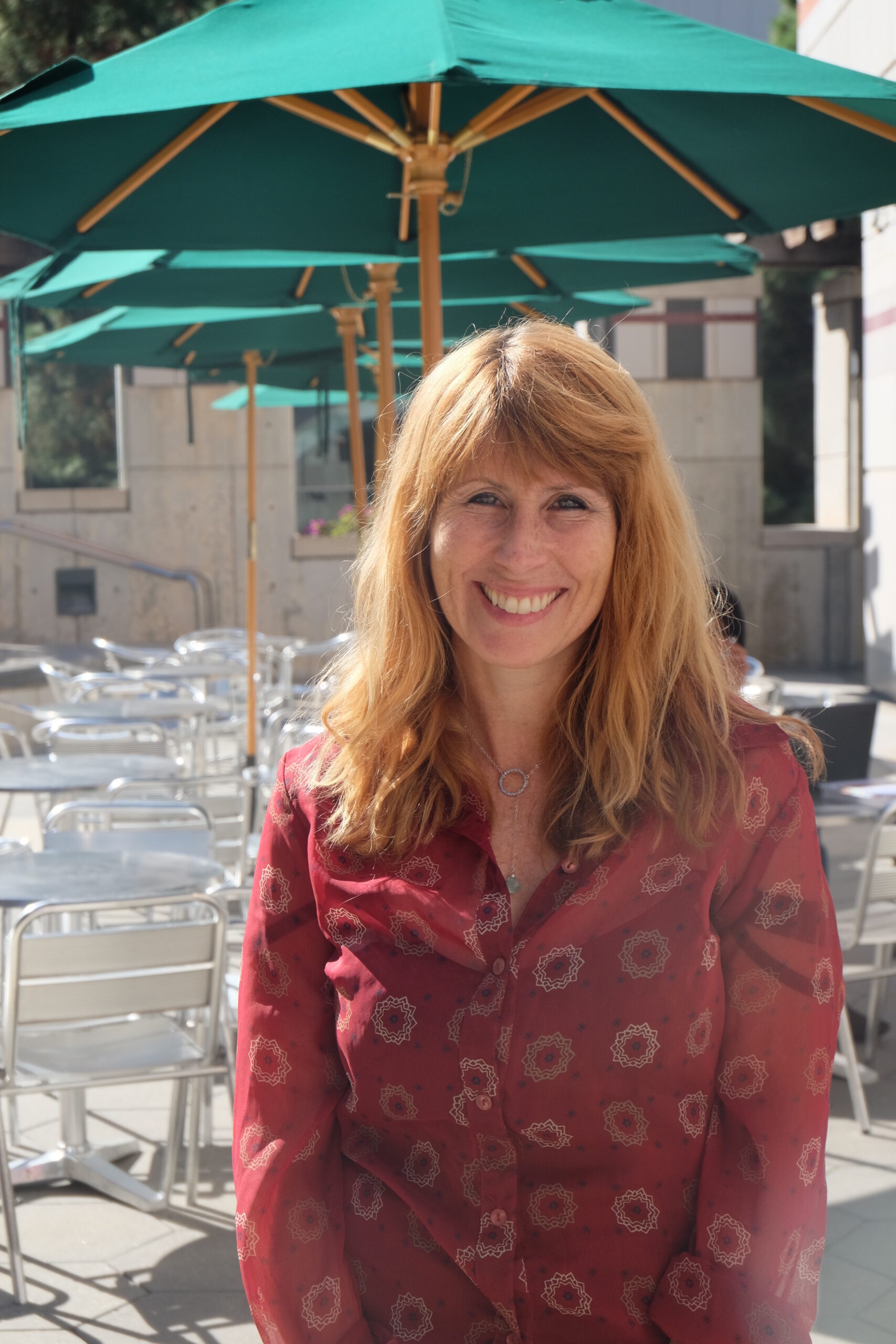
Dr. Carrie E. Bearden is a Professor of Psychiatry and Biobehavioral Sciences, Psychology and the Brain Research Institute at the University of California, Los Angeles (UCLA). Dr. Bearden received her Ph.D. in Clinical Psychology from the University of Pennsylvania and completed her clinical training at UC San Diego. She joined the UCLA faculty in 2003. Her work aims to understand neurobiological risk factors for the development of severe mental illness in youth, both in clinically defined high-risk cohorts and in highly penetrant genetic conditions. She is particularly known for her research taking a ’genetics first’ approach to studying brain mechanisms underlying the development of severe mental illness. Dr. Bearden is the Director of the UCLA Center for Assessment and Prevention of Prodromal States (CAPPS), a clinical research program for youth at high risk for psychosis and Co-Director of UCLA’s Neurogenetics Training Program. She has over 450 peer-reviewed publications and is among the world’s most highly cited scientists, according to Clarivate, Web of Science. Currently, she serves as Deputy (Reviews) Editor for the journal Biological Psychiatry, as Chair of the DSM-V Serious Mental Disorders Committee and is President of the Society of Biological Psychiatry. She is a Fellow of the Association for Psychological Science and the American College of Neuropsychopharmacology. Dr. Bearden has received numerous awards and honors, both for her research achievements and for teaching and mentorship, including the ACNP Joel Elkes Research Award. the Society of Biological Psychiatry Gold Medal Award, and an NIH Method to Extend Research in Time (MERIT) award. In her free time Dr. Bearden loves hiking in the Los Angeles mountains with her family and dogs.
A Message from Dr. Carrie E. Bearden
I was stunned – and overjoyed – to hear that I had received the SIRS Outstanding Translational Research Award. Quite honestly, I re-read the email several times to make sure it was real! This recognition is profoundly meaningful for me, and has led me to reflect back on my journey as a scientist.
I think back to the very first scientific conference I attended as a first-year graduate student in the mid-90’s; the International Congress on Schizophrenia Research in Warm Springs, Virginia. I was blown away by the cutting-edge work being presented, and by the passion and intellectual energy of the scientists. That experience shaped my sense of what was possible in this field.
Several years later, as a junior faculty member at UCLA, I was thrilled to win a SIRS essay contest on the topic of “How to Move the Field Forward”. In that essay I laid out a vision for how I thought rare variants with large effect on schizophrenia disease risk- in comparison to clinically defined risk populations – could be a path forward towards understanding convergent biology and risk mechanisms. While I have to laugh at how naïve I was at the time, regarding the complexity of the problem, I am deeply gratified by how far we have come. Through the extraordinary international collaborations we have built over the years, we have – as a field- made major progress in understanding the genetic architecture of schizophrenia, and identifying vulnerability markers. Most importantly, this work has moved us closer to translating biological insights into improved treatment strategies and earlier interventions that can change lives. I think about all the families we have worked with who have benefited from the research thus far, and how much this inspires me to keep pursuing these goals. I am so proud of the remarkable scientists and clinicians I have had the privilege to mentor over the years, and to watch flourish in their own careers. I am overwhelmed with gratitude and appreciation for my colleagues and mentees who nominated me for this award, and I am excited to continue working together as a community dedicated to advancing the science and improving outcomes for those affected by schizophrenia.