Keynote
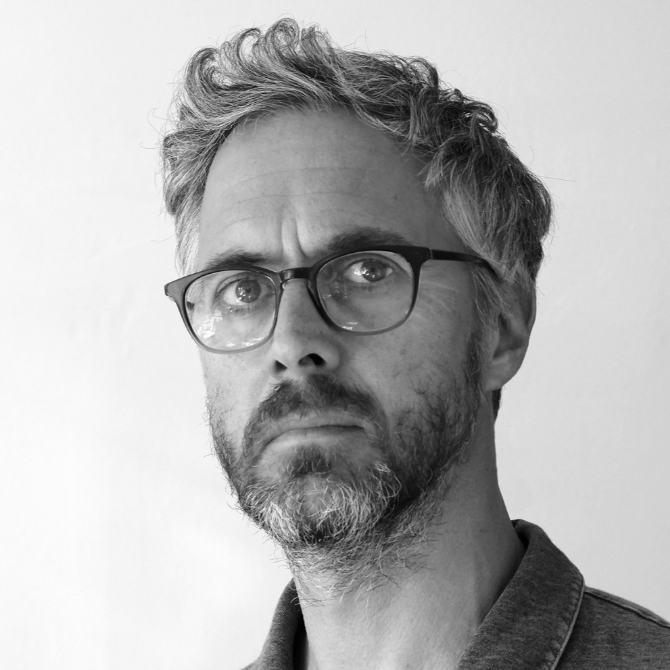
Marcus Coates
Keynote Presentation
Click here to view their bio.
Marcus Coates lives and works in London. Coates’ vicarious experiences on behalf of others is an inquiry into the degrees to which we can understand, know and relate to the world. His work is often performative using a process of radical empathy as a motivation to create, examine and critique relational tools. He tests actual and perceived boundaries with individuals, communities and with other species. New ways of relating are proposed and often put into practice. His approach is often functional with a social and ecological impact in mind. His recent exhibitions include: The Directors, Artangel Commission, London, 2022; The Limits of Humanity, Musée de l’Homme, Paris, 2021; The World is in You, Kunsthal Charlottenborg, Copenhagen, 2021; Joseph Beuys and the Shamans, Museum Schloss Moyland, Bedburg-Hau, Germany 2021; The Animal that therefore I am, OCAT Institute, Beijing, China, 2020; The Land We Live In, The Land We Left Behind, Hauser & Wirth Somerset 2018; among others.
Plenary

Dr. Annamaria Cattaneo
Special Performance
Click here to view their bio.
Dr. Annamaria Cattaneo is an Assistant Professor at the University of Milan and Head of the Biological Psychiatry Laboratory at the IRCCS Fatebenefratelli Institute, where she also serves as Deputy Scientific Director. Her research focuses on identifying early predictors of risk for mood disorders and biomarkers of treatment response. She coordinates several clinical trials investigating the effects and underlying mechanisms of adjunctive interventions, including anti-inflammatory agents and physical exercise, particularly in treatment-resistant patients.
Dr. Cattaneo is also deeply engaged in studying how early-life adversities and in utero exposure to maternal depression influence neurodevelopment and increase vulnerability through epigenetic mechanisms. Related to this work, she is the Coordinator of the Horizon Europe project HappyMums. More recently, her research has expanded to examine the gut microbiome as a key interface linking environmental factors, immune dysregulation, and brain function.
She has authored more than 160 peer-reviewed publications (SCOPUS h-index = 52; >9,800 citations) and has received several distinguished awards, including the British Psychopharmacology Association Award, the ECNP Young Investigator Award, and the Rafaelsen Young Investigator Award. She supervises undergraduate and doctoral students and serves on several international scientific committees, including the CINP Awards Scientific Committee, the ECNP Scientific Advisory Panel, and the International Scientific Advisory Board of the Swiss Consortium on the Gut Microbiota and Alzheimer’s Disease (University of Geneva).
Dr. Cattaneo is currently Chair of the ECNP Perinatal Psychiatry Network and a core member of the MetaDepression Network. She also serves as the Italian Representative for Gender Medicine and is the departmental lead for the Diversity and Inclusion Group. Additionally, she has served as a review panel member for ERC grant evaluations.
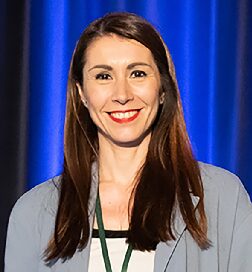
Gemma Modinos, Ph.D.
Emotion Circuits in the Psychosis Spectrum: From Behaviour to Brain Function and Mechanisms
Click here to view their bio.
Gemma Modinos is Professor of Neuroscience & Mental Health in the Department of Psychological Medicine at the Institute of Psychiatry, Psychology & Neuroscience, King's College London. She is also a Group Leader at the MRC Centre for Neurodevelopmental Disorders at King's. The research in Modinos Lab investigates the brain mechanisms involved in vulnerability for psychosis, with a particular focus on GABA and glutamate neurotransmission within corticolimbic brain systems, and whether targeting these mechanisms may unlock the identification of new therapeutic strategies. Our expertise is strongly based in the use of multi-modal, multi-scale neuroimaging methods across the psychosis spectrum, including translational imaging studies in relevant animal models, experimental medicine studies in humans, and the development of bioinformatic pipelines. In 2018, Gemma founded and is since co-chair of ENIGMA Schizotypy, the world’s largest collaborative consortium for neuroimaging research in schizotypy. Our research includes funding from the Wellcome Trust, The Royal Society, Academy of Medical Sciences, MRC, NIHR Maudsley BRC, and NIMH, and has been recognised by international awards such as the 2019 SIRS Rising Star and the 2023 SIRS Research Excellence Awards to Gemma, and multiple early-career awards to the junior researchers in the lab. Gemma is deeply invested in mentoring and fostering the careers of early-career researchers, as former Chair of the Young Academy of Europe, and in the various roles she has held within the Schizophrenia International Research Society, including as current member of its Executive Board. She is also member of Academia Europaea, Deputy Editor for Schizophrenia Research and EDI Lead for the NIHR Maudsley BRC Psychosis and Mood Disorders Theme. Overall, Modinos lab is committed to translational science that integrates basic neuroscience with clinical research to inform early detection and intervention strategies. Through our multidisciplinary programme, we aim to identify mechanistic targets that could guide novel treatments for preventing or mitigating the emergence of psychosis.
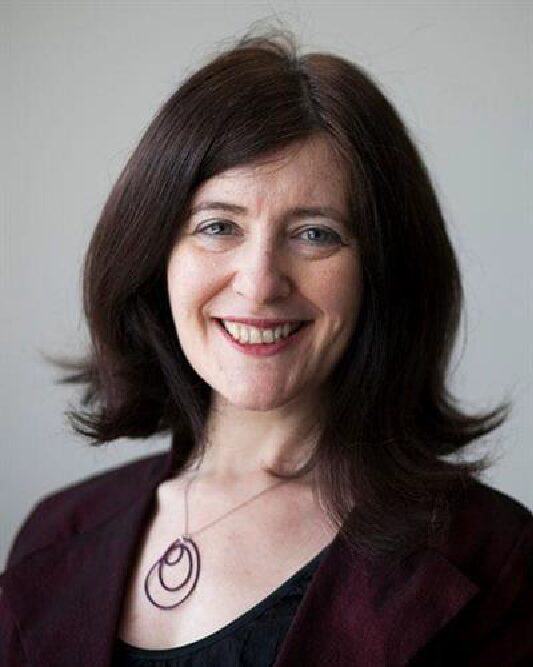
Gina Kuperberg, M.D., Ph.D.
Large Language Models and the Disorganized Mind: What AI Can and Cannot tell us about Language in Schizophrenia
Click here to view their bio.
Gina R Kuperberg, MD PhD, is the Dennett Stibel Professor of Cognitive Science at Tufts University. She is also a Board Certified Psychiatrist and Principal Investigator in the Psychiatry Neuroscience Program at Massachusetts General Hospital. Her research program uses multimodal neuroimaging techniques (fMRI, MEG and EEG evoked responses, oscillatory activity, and Representational Similarity Analysis) to understand the neurocognitive and computational mechanisms by which the brain builds meaning from language, and how this breaks down in neuropsychiatric disorders such as schizophrenia.
Dr. Kuperberg earned her MD at St. Bartholomew's Medical School, London, and her PhD in Psychology and Cognitive Neuroscience at Kings College, University of London. She completed her residency training in Psychiatry at the Maudsley Hospital and Institute of Psychiatry, in London. After moving to Boston, she completed Research Fellowships in Neuroimaging and Cognitive Electrophysiology at Massachusetts General Hospital and Tufts University.
She plays an international leadership role in both the Neurobiology of Language and the Neuropsychiatry research communities. She has served as a representative for the Cognitive Neuroscience Society, and on Board of the Society for the Neurobiology of Language. She served as an advisor to the National Institute of Mental Health on their Research Domain Criteria Initiative, and is a founding member of a newly-established Diverse International Scientific Consortium for Research in Thought, Language and Communication in Psychosis (DISCOURSE). She has also served on several study sections to review grants in both Language and Communication and Psychopathology for the National Institutes of Health.
Her research accomplishments have been recognized by several awards, including the A.E. Bennett Research Award from the Society for Biological Psychiatry, the Joseph Zubin Award for Significant Contributions to Research in Psychopathology, and an Award from Brain Research for their most highly cited article, for her review of the architecture of the language system, Neural Mechanisms of Language Comprehension: Challenges to Syntax.
Dr. Kuperberg’s research program is funded by R01 grants from the National Institute of Child Health and Human Development, and the National Institute of Mental Health, as well as awards from the Brain and Behavior Research Foundation, the Wellcome Trust, and Sidney R. Baer, Jr. Foundation.
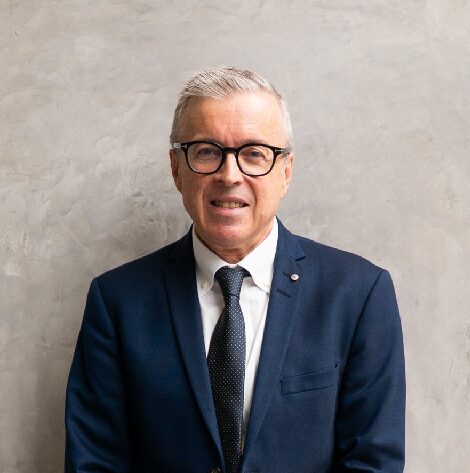
John McGrath AM, MBBS, MD, PhD, FRANZCP, FAHMS
Click here to view their bio.
John McGrath is a psychiatrist interested in discovering the causes of serious mental disorders. He has affiliations with the Queensland Centre for Mental Health Research, the Queensland Brain Institute (University of Queensland), and past appointments with the National Centre for Register-based Research (Aarhus University) Denmark. His research aims to generate and evaluate nongenetic risk factors for schizophrenia. He has forged productive cross-disciplinary collaborations linking risk factor epidemiology with developmental neurobiology (e.g. using animal models to explore candidate exposures). He has supervised major systematic reviews of the incidence, prevalence and mortality of schizophrenia. He was awarded a John Cade Fellowship by the Australian National Health and Medical Research Council, and a Niels Bohr Professorship by the Danish National Research Foundation. He has been awarded the Erik Stromgren Medal and the Lieber Prize for Outstanding Schizophrenia Research.
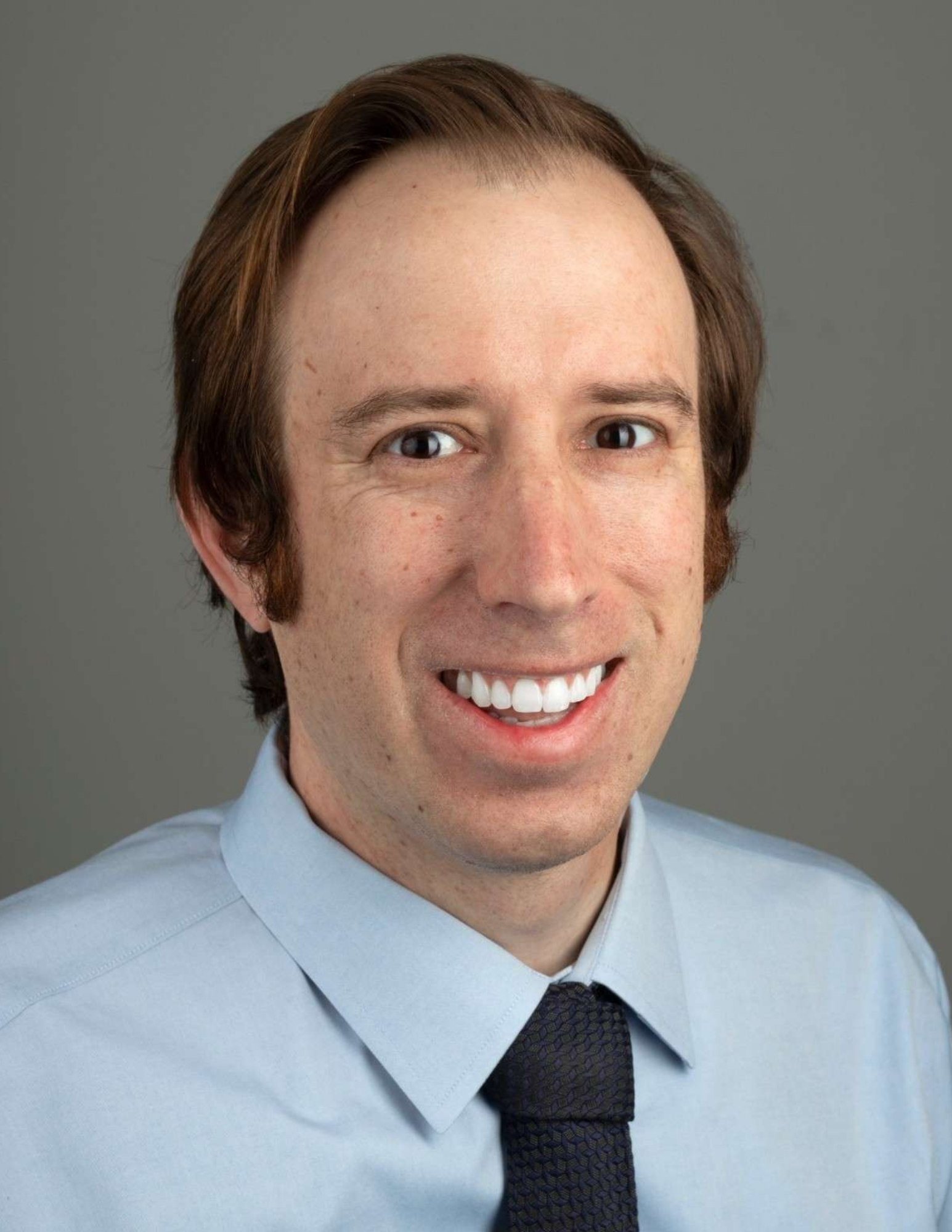
John Torous, M.D.
From Apps to AI - Assessing the Risk and Benefits of Innovative Technology for Schizophrenia Research and Care
Click here to view their bio.
John Torous, MD, MBI, is director of the digital psychiatry division in the Department of Psychiatry at Beth Israel Deaconess Medical Center (BIDMC), a Harvard Medical School-affiliated teaching hospital, where he also serves as a staff psychiatrist and associate professor. He has a background in electrical engineering and computer sciences and received an undergraduate degree in the field from UC Berkeley before attending medical school at UC San Diego. He completed his psychiatry residency, fellowship in clinical informatics, and master's degree in biomedical informatics at Harvard. Dr. Torous is active in investigating the potential of mobile mental health and AI technologies for psychiatry, and his team supports mindapps.org as the largest database of mental health apps, mindApps.ai for benchmarking AI chatbots, mindLAMP technology platform for scalable digital phenotyping and interventions, and the Digital Navigator program to promote digital equity and access. Dr. Torous has published over 300 peer reviewed articles and 5 book chapters on the topic. He directs the Digital Psychiatry Clinic at BIDMC which seeks to improve access to and quality of mental health care through augmenting treatment with digital innovations. Dr. Torous serves as editor-in-chief for the journal JMIR Mental Health, web editor for JAMA Psychiatry, and a member of various American Psychiatric Association committees.
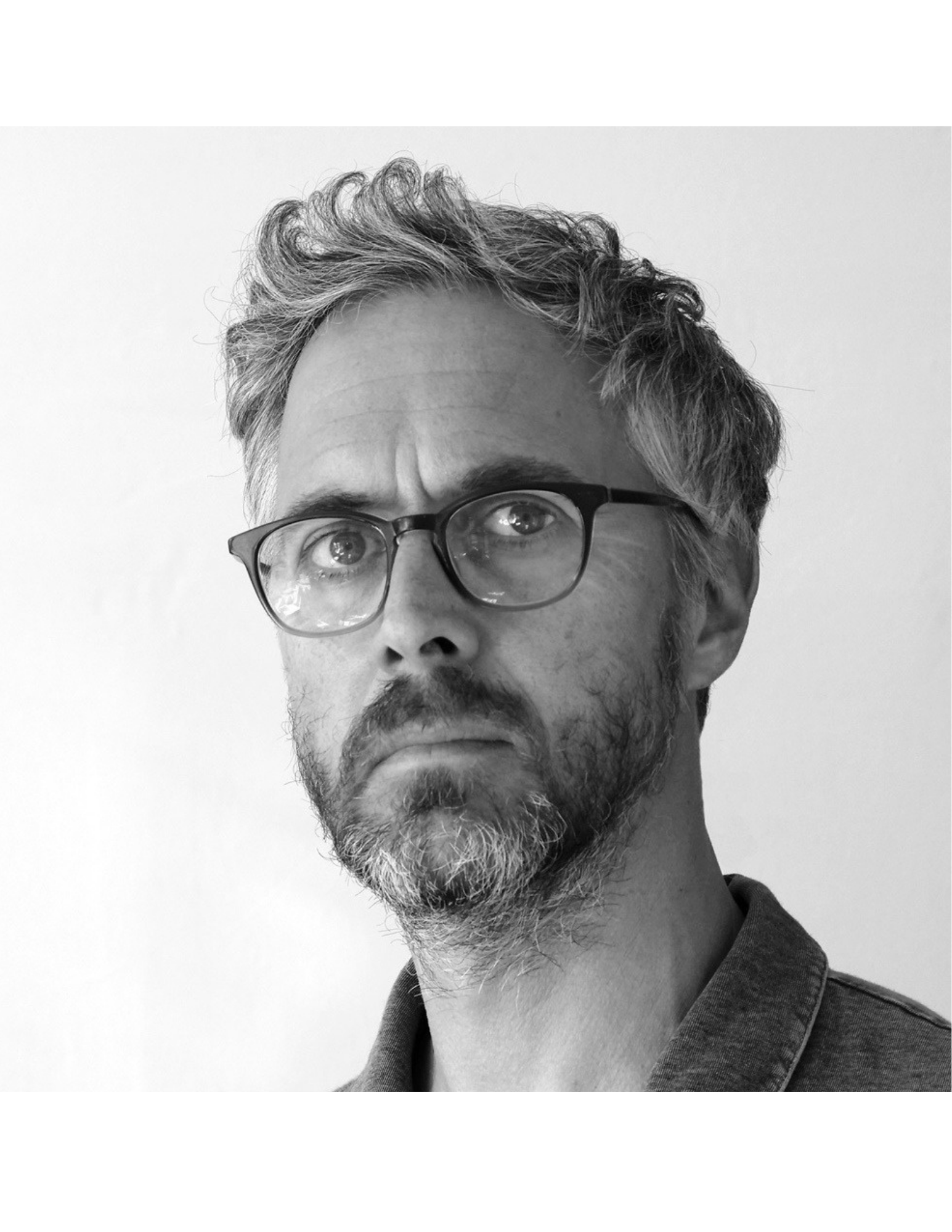
Marcus Coates, B.A.
The Directors, 2022
Click here to view their bio.
Marcus Coates, born 1968, is a visual artist, he lives and works in London. He has exhibited his films, performances and installations internationally. His work is varied in form but at its core is an inquiry into the degrees to which we can understand, know and relate to others. Often performative – using a process of radical empathy as a motivation to create, examine and critique relational tools – he tests actual and perceived boundaries between individuals, within communities, and with other species. New ways of relating are proposed and often put into practice. His approach is often functional with a social and ecological impact in mind.
Coates has collaborated with people from a wide range of disciplines including anthropologists, ornithologists, wildlife sound recordists, choreographers, politicians, psychiatrists, palliative care consultants, musicians, and primatologists amongst others.
He is currently Artist in Residence at King's College, Cambridge University, UK
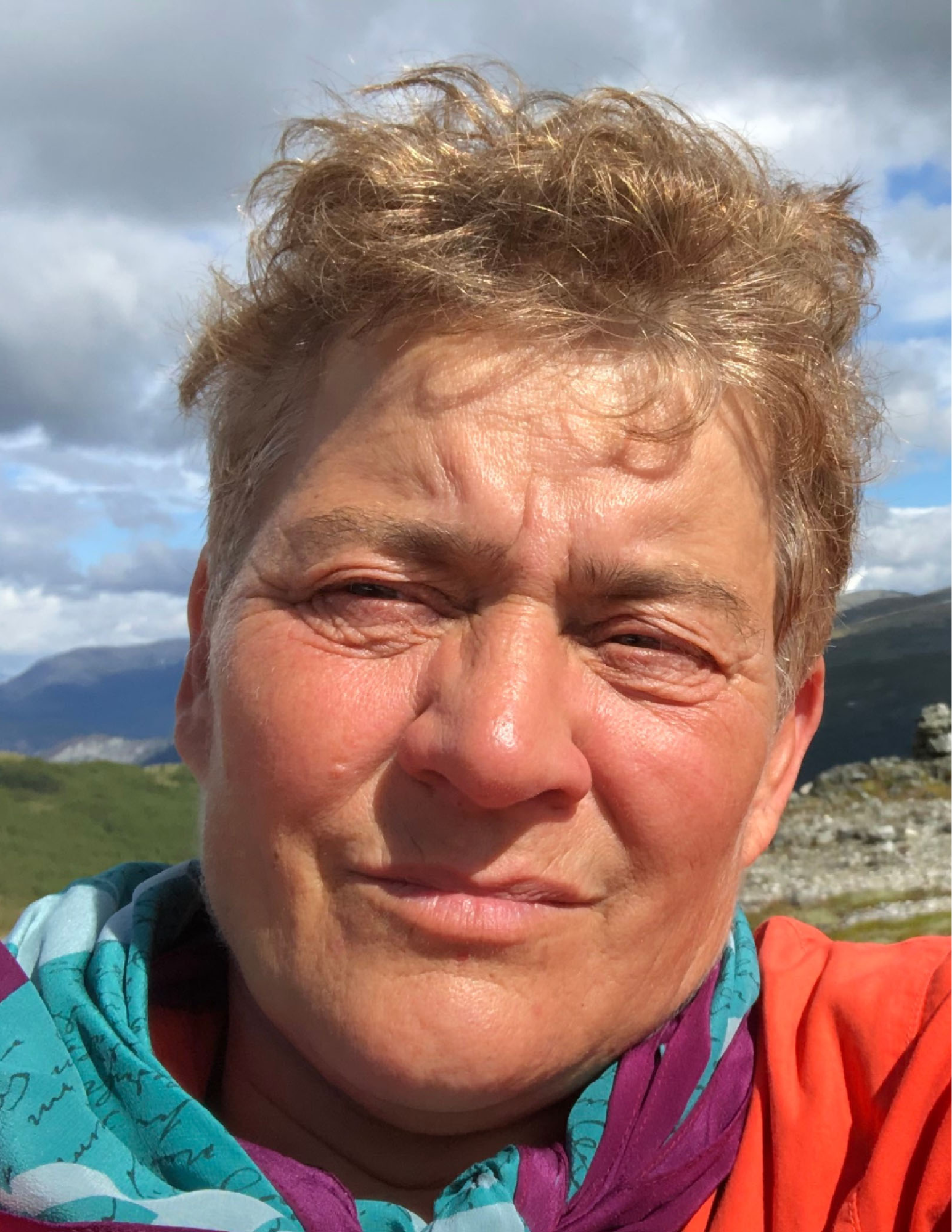
Merete Nordentoft
Click here to view their bio.
Merete Nordentoft, Professor of Psychiatry at the University of Copenhagen and Director of Research at CORE. She has significantly influenced mental health care.
She was PI for 22 RCTs to examine effects of specialized, recovery oriented psychotherapeutic and psychosocial interventions, including the World’s largest trial (OPUS) with long term follow-up and health economic analyses. This has improved especially early intervention services in Denmark and internationally. Early intervention service for first-episode psychosis has become standard practice, reducing hospitalizations and improving outcomes.
She was Co-PI for the IPS RCT (Individual Placement and Support) showing remarkable improvement in affiliation with labour market and education.
She was PI for a large RCT showing positive effects of internet-based therapy on suicidal ideation
She was PI for the CHALLENGE trial showing effects of Virtual Reality based therapy for auditory hallucinations.
She is Co-PI in a large RCT: VIA Family 2.0, testing the effects of family intervention in families with severe mental illness on home environment and family functioning.
Her research has shaped Denmark's National Plan for Suicide Prevention, leading to the establishment of regional suicide prevention clinics with national coverage.
Nordentoft’s studies have highlighted the heightened risks faced by children of parents with severe mental illness, advancing awareness and targeted support for this vulnerable group. As President of the Danish Psychiatric Society (2021–2025), she has been a strong advocate for enhanced psychiatric funding, particularly through Denmark’s 10-Year Plan for Psychiatry.
She has been awarded The Golden Scalpel 2007, Centre of Global Excellence 2012 and 2016, Kirsten and Freddy Johansen’s award 2015, Richard Wyatt Award 2016, Marie and August Krogh Award 2017, Danish Medical Association honorific award 2018, Novo Nordisk Prize 2020. Pascal Boyle Award for best female researcher in Europa, 2024. World Health Organization Sasakawa Award 2025.
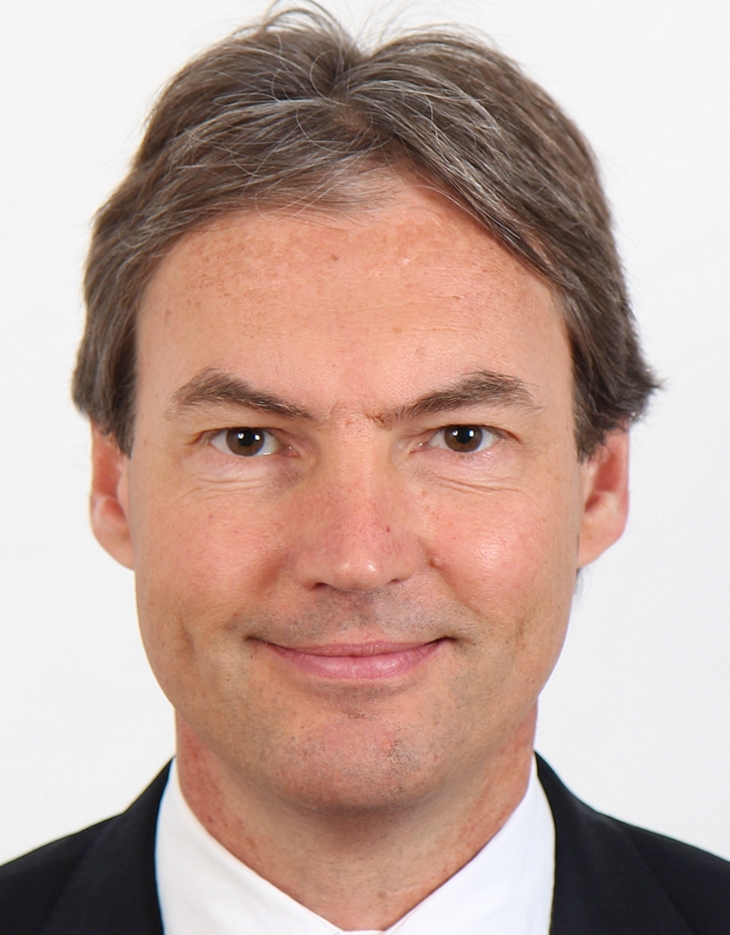
Stefan Leucht, Prof. Dr. med
Adolescent Stress as a Risk Factor for Schizophrenia: Insight from Animal Models
Click here to view their bio.
Doctor Leucht studied medicine in Munich, Germany, with rotations in Berlin, Paris, Cape Town, Alicante and Atlanta. He is head of the Section of Evidence-Based Medicine in Psychiatry and Psychotherapy at the Technical University of Munich, Germany, where he has practiced since 1994. He worked as a research associate at the Zucker Hillside Hospital in New York in 2002/2003. He spent a year as honorary fellow at the University Department of Psychiatry in Oxford in 2013/2014. He was honorary professor of Evidence-based Psychopharmacology at the University of Aarhus, Denmark, visiting visiting professor at the Institute of Psychiatry, King’s College London, visiting professor at Shanghai Jiao Tong University School of Medicine, China, and a short-term fellow of the Japan Society for the Promotion of Science (JSPS) in 2022. He is/was part of the editorial teams of several psychiatric journals, including the Cochrane Schizophrenia Group, EBM Mental Health, Lancet Psychiatry, Schizophrenia Research, Schizophrenia Bulletin, Acta Psychiatrica Scandinavica, International Clinical Psychopharmacology, European Neuropsychopharmacology and European Psychiatry. His team has led the Cochrane Schizophrenia Group 2020-2023. Since inception of the ranking in 2014 Thompson Reuters has named Dr. Leucht as a “Highly Cited Researcher” ranking in the top 1% citations for the field of psychiatry. In May 2023 Expertscape (http://expertscape.com/ex/schizophrenia) ranked him among the top five schizophrenia researchers. He led the schizophrenia guideline group of the College of International Neuropsychopharmacology (CINP). He was awarded the David Sackett Award of the German Network of Evidence-Based Medicine in 2010, The American Psychiatric Association Young Minds in Psychiatry Award in 2004, and the Robert Kerwin Award of the Royal College of Psychiatry in 2012. The overarching theme of Stefan's research is evidence-based medicine in psychiatry with a focus on meta-analyses, clinical trials and the involvement of experience-experts in research and anti-stigma projects, a partnering at eye level which he enjoys a lot.
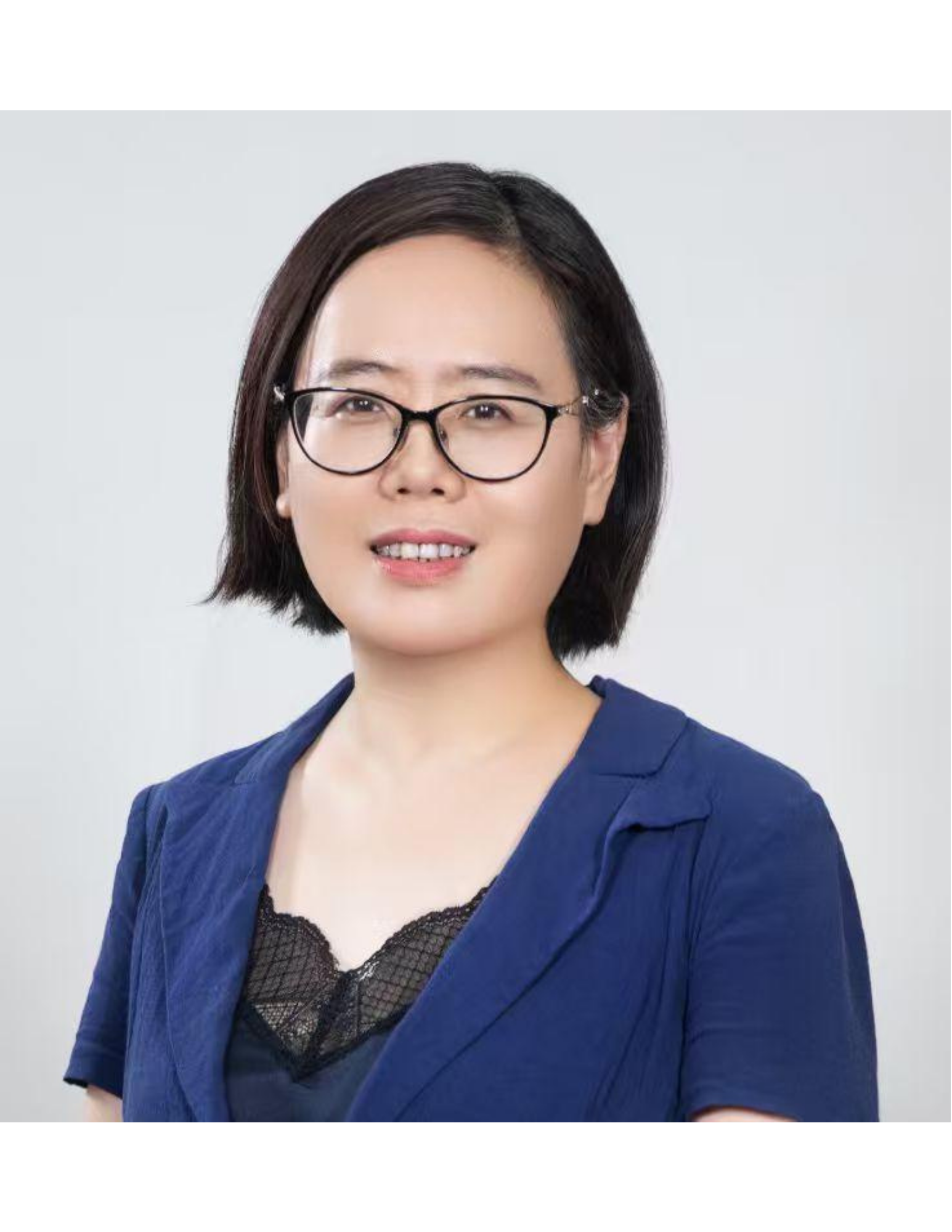
Tianmei Si, M.D., Ph.D.
Click here to view their bio.
Tianmei Si is Professor of Psychiatry, Director of the Department of Clinical Psychopharmacology, and the deputy of Peking University Institute of Mental Health (PUIMH), Beijing, China.
Professor Si received her medical degree from Shanxi Medical University (SMU), Shanxi, China, and went on to obtain her MD and PhD at PUIMH. Following a psychiatry residency at the First Hospital of SMU, Professor Si spent 2 years at PUIMH as a Consultant Psychiatrist. She undertook a research fellowship at the Research Institute of Biological Psychiatry, St Hans Hospital, Denmark, prior to her current roles at PUIMH. Professor Si is an Executive Committee member of the Chinese Society of Psychiatry and the Chinese Medical Association. In addition, she is Chair of the Chinese Schizophrenia Collaborative Group. She is the past-president of Asian Schizophrenia Research Institute and the past president of Asian Collegium of Neuropsychopharmacology.
Professor Si coordinates active basic and clinical research programs centered on the clinical psychopharmacology and the pothology of schizophrenia. As the PI, she got more than ten funds support from National Natural Science Foundation of China, the Ministry of Science and Technology, “12th Five-year-plan” of National Key Technologies R&D Program of China. More than 300 scientific papers have been published in both local and international peer-reviewed journals. She has just led the publication of an evidence-based Guidelines for the Prevention and Treatment of Schizophrenia in China.
As the Member of SIRS and the present president of Chinese Schizophrenia Research Society, she was active to set up a bridge between SIRS and Chinese Psychiatry Society, for example, the annual congress of Chinese Schizophrenia Research Forum. The sequential training benefited a lot of Chinese Psychiatrists and made SIRS more attractive among Chinese psychiatrists.
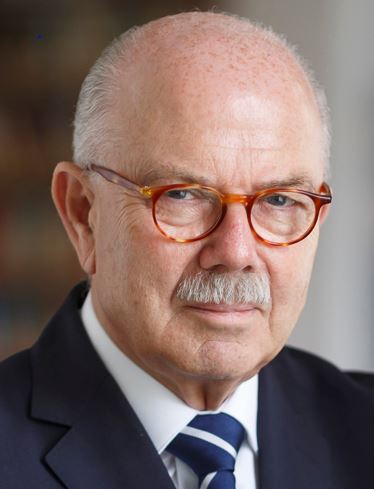
Wolfgang Gaebel, Prof. Dr. med
Renaming Schizophrenia
Click here to view their bio.
Dr. med. Wolfgang Gaebel is Professor of Psychiatry and Psychotherapy, former Director of the Department of Psychiatry and Psychotherapy at the Heinrich-Heine University, Düsseldorf (Germany) and Medical Director of the LVR-Klinikum Düsseldorf. He is Director of the WHO Collaborating Centre for Quality Assurance and Empowerment in Mental Health (DEU-131), and he is Member of the WHO Medical Scientific Advisory Committee (MSAC). From 2014 to 2016 he was Founding Director of the LVR-Institute for Mental Health Service Research at the LVR-KD Düsseldorf.
Prof. Gaebel was twice President of the German Society of Psychiatry, Psychotherapy and Psychosomatics (DGPPN 1995/6, 2007/8), 1999-2002 he was President of the German Society of Biological Psychiatry. He was chair of the Organizing Committee of the 11th World Congress of Psychiatry, Hamburg, 1999. From 2000-2016 he was Vice-President of the German Association of the Medical Scientific Societies (AWMF). 2015/6 he served as President of the European Psychiatric Association (EPA), 2015-2021 as President of the European Scientific Association of Schizophrenia and other psychoses (ESAS), 2022 as Vice President of the European Brain Council. 2008-2020 he was chairing the German Alliance on Mental Health. Prof. Gaebel was chairing the WHO Working Group on Psychotic Disorders for ICD-11, and he was also a member of the APA Working Group on Psychotic Disorders for DSM-5. Prof. Gaebel is chairing the WFSBP Task Force on Nosology and Psychopathology, the WPA Section on Quality Assurance, co-chairing the WPA Section on Schizophrenia, and he is also chair of the WPA Expert Group on Impact of Digitalisation.
Prof. Gaebel was the initiator, speaker and a principal investigator of the German Competence Network on Schizophrenia funded by the German Federal Ministry of Education and Research (BMBF). His professional research interest includes psychopathological and psychopharmacological aspects of schizophrenia, treatment guidelines and quality management, mental health service, stigma and discrimination, revision of classification, and promotion of digital mental health. Professor Gaebel has published about 700 scientific articles, he is editor/author of about 40 books/supplements on a range of scientific topics, he is member of the editorial boards of various national/international journals, and he was editor in chief of the bilingual journal 'Die Psychiatrie'.
Since 2001, Prof. Gaebel is a Member of the German National Academy of Science Leopoldina. In 2020, he was honored by the DGPPN with the Wilhelm-Griesinger Medal for lifetime award.