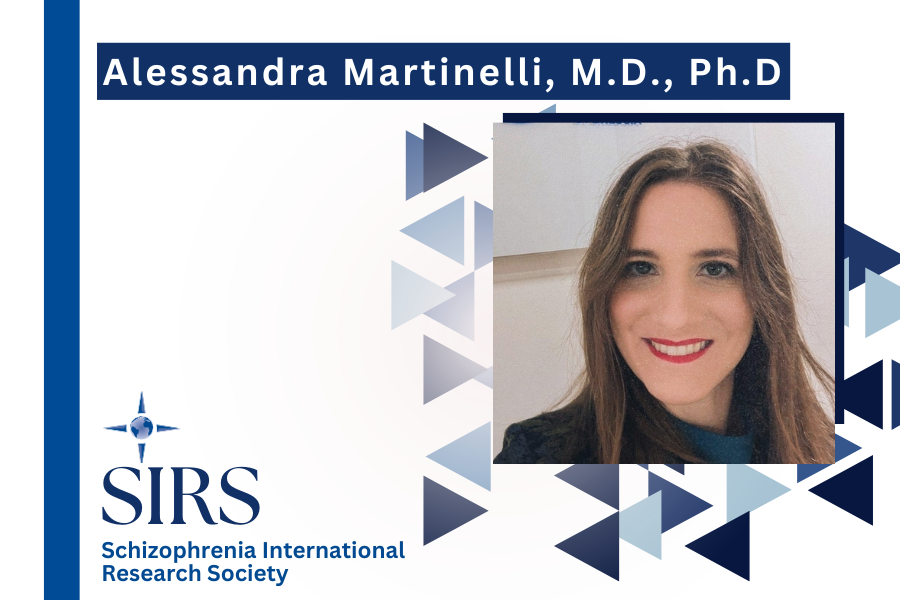
Alessandra Martinelli, M.D., Ph.D., Psychiatrist and Clinical Researcher, Head of the Research Unit of Rehabilitation and Social Psychiatry, IRCCS Fatebenefratelli – Saint John of God Clinical Research Centre, Brescia, Italy
When I began my training in psychiatry, I met many people living with schizophrenia and other psychotic disorders whose lives had been profoundly affected by their illness. What struck me most was that they were not only asking for relief from symptoms. They wanted friendships, meaningful activities, independence, and hope for the future.
This experience shaped the question that continues to guide my work today:
How can we help people with psychosis not only reduce symptoms, but also build meaningful and resilient lives?
As a psychiatrist and researcher, I have focused my career on recovery, rehabilitation, and community-based mental health care. While advances in treatment have improved outcomes for many people, challenges such as loneliness, stigma, unemployment, and social exclusion remain common. These are not simply side effects of illness—they are central factors that influence wellbeing and recovery.
One of the most important questions in psychosis research is how we can better understand people's everyday lives. Traditional clinical assessments provide valuable information, but they often capture only a brief moment in time. Much of what matters happens between appointments.
To address this gap, I became involved in the Italian multicenter DiAPAson project, which used smartphones and wearable activity monitors to explore daily experiences, emotions, and physical activity in people with schizophrenia spectrum disorders. Rather than asking participants to remember how they felt weeks earlier, we collected information in real time during their everyday lives.
Our findings highlighted the importance of looking beyond symptoms. We found that physical activity, emotions, daily routines, and social experiences are closely connected. We also observed important differences between men and women, suggesting that personalized approaches may be needed to support recovery more effectively.
Today, my research is moving toward what is often called precision psychiatry. The idea is simple: every person has unique strengths, challenges, and recovery goals. Instead of relying only on diagnosis or symptom severity, we should combine information about daily experiences, social functioning, lifestyle, and biological factors to better understand what helps each individual recover.
This vision is reflected in the EMPOWER-RES study, which I currently lead in Italy. The project combines real-time experiences collected through smartphones, physical activity measured by wearable devices, and biological indicators related to stress and inflammation. Our goal is to better understand resilience and personal recovery among people living in mental health supported accommodation services.
Looking ahead, I am excited by the possibility of integrating digital technologies with recovery-oriented care. I imagine a future in which a young person developing psychosis receives support that is tailored not only to their symptoms, but also to their personal goals, daily experiences, and individual strengths.
The SIRS plays an important role in making this future possible. By bringing together researchers, clinicians, people with lived experience, and families from around the world, SIRS helps transform scientific discoveries into real improvements in care. Receiving the SIRS Early Career Award has been a tremendous honor and an important milestone in my career. It has strengthened my commitment to research that connects scientific innovation with the everyday realities of people living with psychosis.
Ultimately, I believe that the future of psychosis research is not only about understanding illness. It is about understanding people—their aspirations, relationships, resilience, and capacity for recovery. If our research can help people live the lives they want to live, then we are moving in the right direction.